Land use and land cover (LULC)
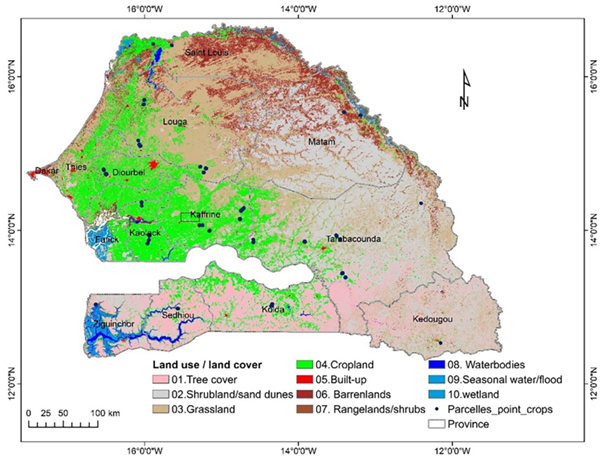
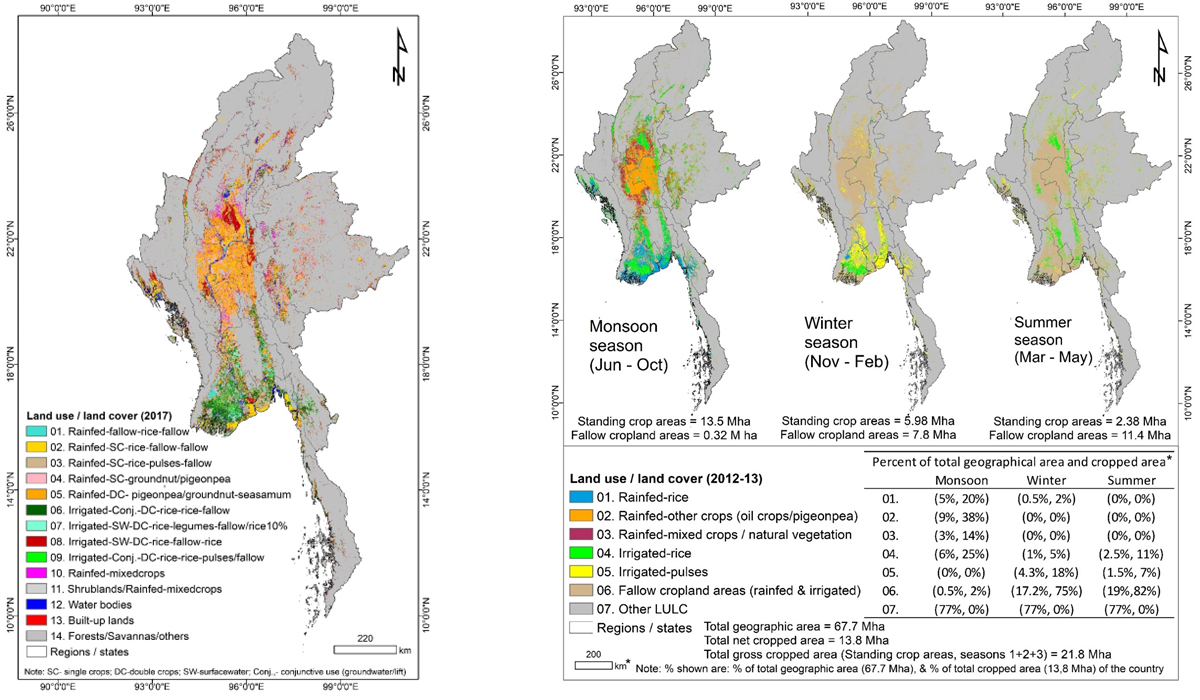
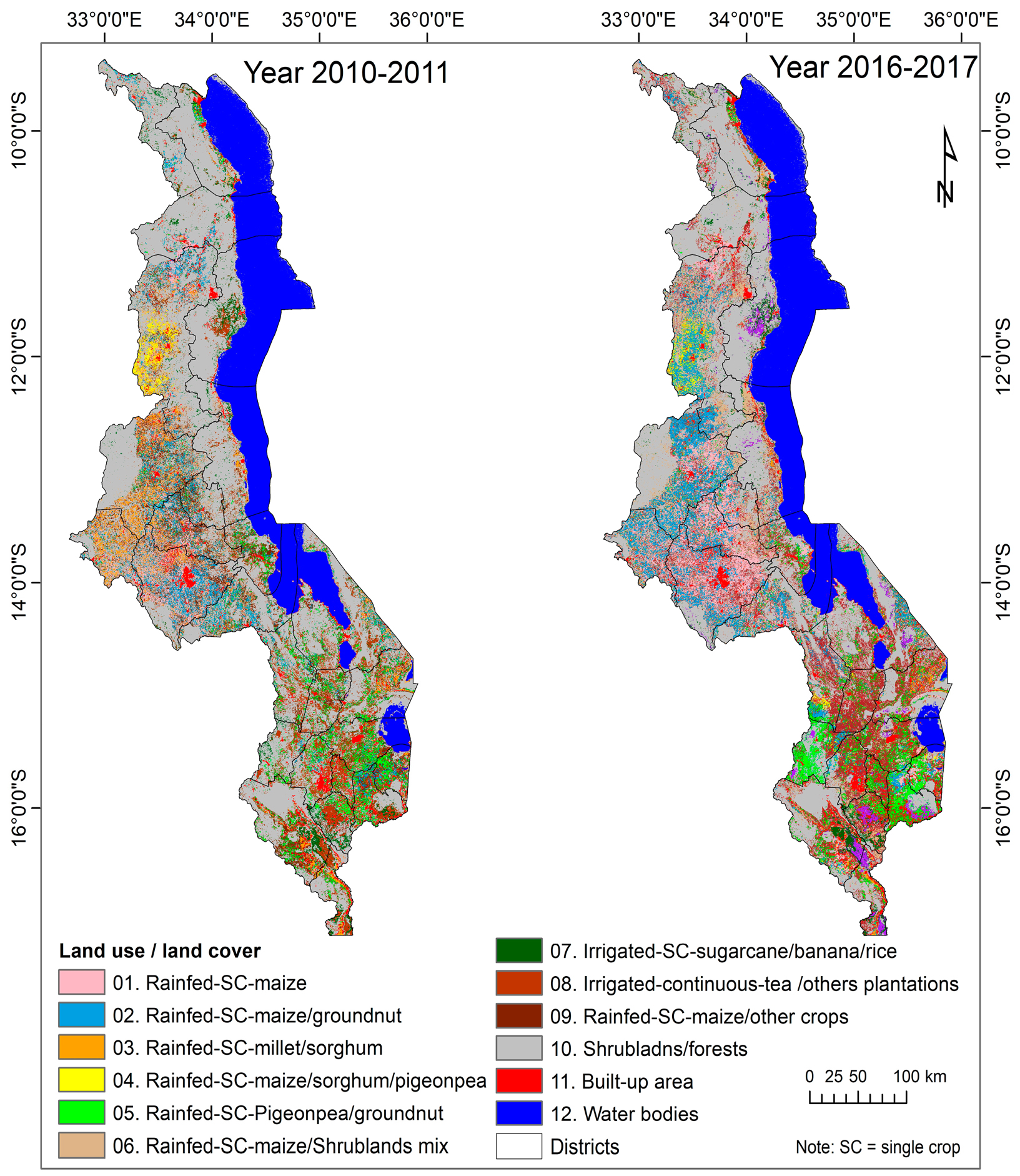
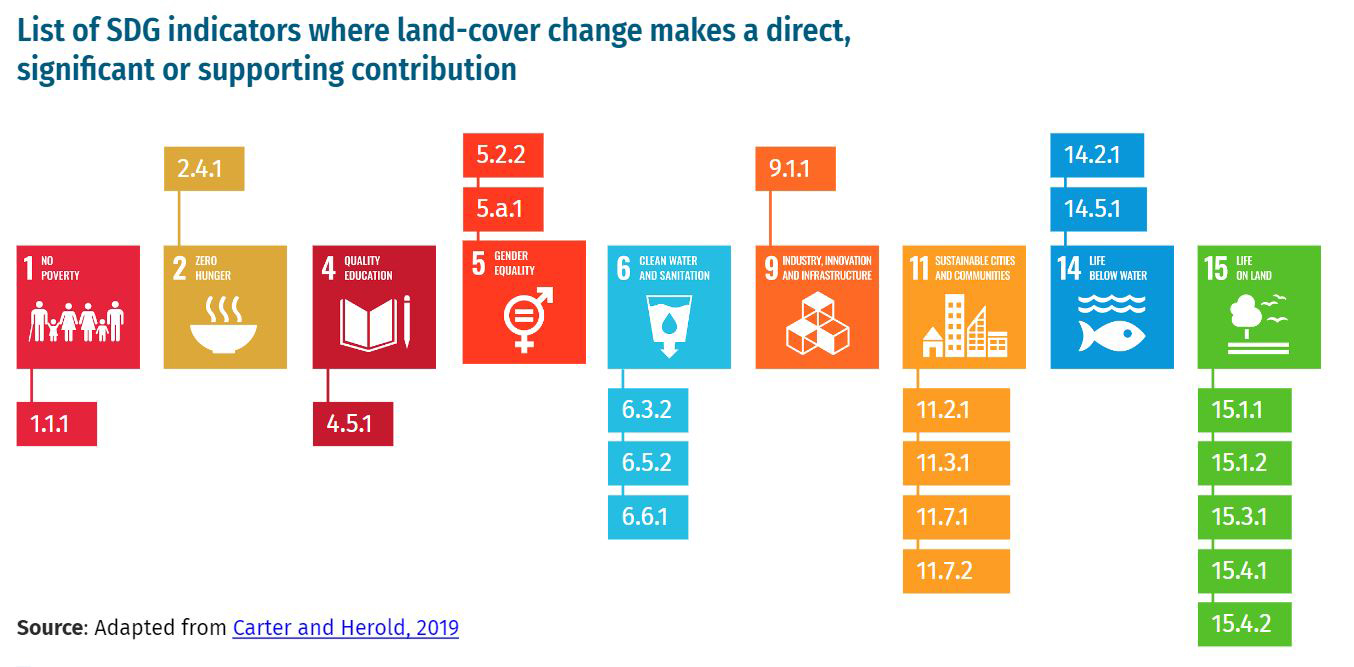
Land use and land cover (LULC) are critical components in understanding the interactions between human activities and the environment. Land use refers to how humans utilize the land for activities such as agriculture, urbanization, forestry, and industry, while land cover describes the physical and biological features that dominate the Earth's surface, such as forests, water bodies, grasslands, and urban structures. Changes in LULC can significantly impact the environment by altering ecosystems, biodiversity, hydrological cycles, and climate patterns. For instance, deforestation and urban expansion often lead to habitat loss, increased greenhouse gas emissions, and disruptions in natural water filtration processes. Conversely, reforestation and sustainable land management practices can improve carbon sequestration, enhance biodiversity, and support climate change mitigation. Monitoring LULC changes through remote sensing and geospatial analysis is crucial for managing natural resources, planning sustainable land use strategies, and understanding the long-term impacts of human activities on the environment.
Focus Areas:
Within our cluster, we emphasize several focus areas to advance agricultural knowledge and enhance decision-making:
-
1.Key Applications
- Urban Planning: Assessing urban expansion and infrastructure needs.
- Agriculture: Mapping croplands, crop yield potential, and irrigation patterns.
- Forestry: Monitoring deforestation, afforestation, and biodiversity.
- Water Resources: Analyzing wetland dynamics and watershed management.
- Disaster Management: Identifying areas at risk of floods, landslides, or droughts. 2. Environmental Impacts of LULC Changes
- Climate Change:Alteration in carbon sinks (deforestation) and increased greenhouse gas emissions.
- Biodiversity Loss: Habitat fragmentation and species extinction.
- Soil Degradation:Increased desertification and loss of arable land.
- Water Cycle Disruption: Reduced infiltration and increased surface runoff, leading to water scarcity or floods. 3. Technologies in LULC Mapping
- Remote Sensing: Satellite imagery for large-scale monitoring (e.g., Landsat, Sentinel).
- GIS Tools: Spatial analysis to map, visualize, and model LULC changes.
- Machine Learning Models: Automated classification of LULC categories from high-resolution imagery. 4. Strategies for Sustainable LULC Management
- Afforestation and Reforestation: Rebuilding carbon sinks and biodiversity.
- Integrated Land Use Planning: Balancing ecological, social, and economic needs.
- Conservation Policies: Protecting wetlands, forests, and other critical habitats.
- Community Engagement: Involving local stakeholders in decision-making. 5. Focus Areas for Research and Action
- Ecosystem Services: Quantifying the benefits provided by different land covers.
- LULC and Carbon Footprint: Analyzing how changes impact carbon emissions.
- Urban Heat Islands: Understanding the impact of urban sprawl on local climates.
- Water-Energy-Food Nexus: Balancing competing demands in a changing environment.